Microreactors & AI Data Centers | Motion Control Applications

Artificial intelligence (AI) development is accelerating at a rapid pace and reshaping global energy requirements. AI data centers increasingly demand continuous power and can generate significant heat, pushing existing electrical infrastructure to its limits. As operators search for cleaner, more stable, and more scalable options, microreactors have emerged as a compelling solution. These are compact nuclear systems capable of delivering highly reliable, localized power.
The convergence of microreactor technology and AI data center growth represents a new frontier for precision engineering. As pilot programs expand and designs move toward deployment, motion-control components such as brakes and clutches may play an important role in supporting actuation systems, coolant-flow management, safety mechanisms, and autonomous operations. Below, explore the landscape and where SEPAC motion solutions can integrate into these industrial environments as technology develops and demands grow.
The Rise of Microreactors for AI Data Centers
AI workloads, especially those built on GPU clusters and accelerated architectures, require continuous, high-density power. Traditional utility infrastructure struggles to keep pace with these energy needs, leading to long lead times for grid upgrades and limiting where new data centers can be built. This gap between demand and capacity and the ongoing importance of safe, reliable operation is driving interest in next-generation energy solutions.
Microreactors offer several advantages that can cater to AI data center requirements, including:
- A compact footprint suited for on-site power generation
- Consistent, 24/7 output without dependence on weather or fuel delivery
- Modular designs that scale alongside facility expansion
- Suitability for remote sites or areas with grid constraints
- Multi-year refueling cycles that reduce operational interruptions
How Electromagnetic Brakes & Clutches Could Support Microreactors & AI Facilities
Although microreactor designs are still under active development, engineering teams are already evaluating the types of controls and mechanical systems that will be required. Our team at SEPAC has received discovery-phase inquiries for potential usage in reactor-adjacent environments, particularly for applications needing high torque density, predictable engagement, or fail-safe operation.
Potential roles for motion control systems include:

Fail-safe braking for safety and shutdown systems.
Safety and shutdown mechanisms must remain reliable around the clock. Spring-engaged brakes and clutches are utilized for emergency cooldown, isolation, or shutdown functions.

Automated Valve actuation and precision stopping.
Automated valves benefit from the reliability and speed of our electromagnetic brakes and clutches to open or close valves.

Compact mechanical subsystems.
Microreactors emphasize minimal size and modular architecture, creating a need for motion components that combine high torque output with limited space requirements in radiation environments.

Rotating or positioning actuators.
Controlled motion could potentially play a role in the operation of automated inspection systems, mechanical interfaces, or small robotic tools within certain controlled environments.
Integrating SEPAC Motion Solutions Into Microreactor Systems
SEPAC’s proven performance in the nuclear industry positions us to support new development with microreactor designs. Our components can support the reliability, functionality, and safety needs of AI data centers, public energy infrastructure, and government or municipal facilities exploring microreactors as a long-term power solution.
Environmental requirements are a key focus, including:
- Radiation exposure, which influences materials and long-term performance
- Vacuum compatibility, depending on reactor configuration
- Temperature stability, which varies by coolant type and application
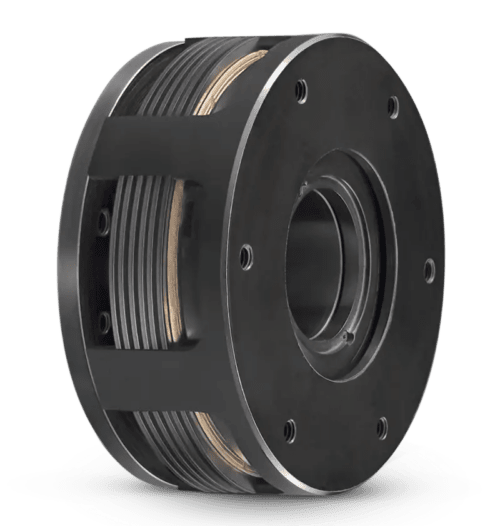
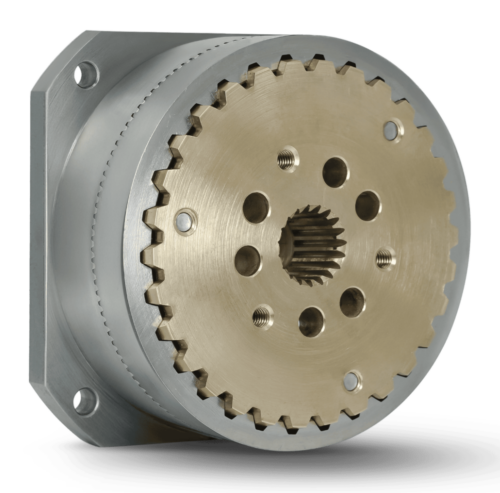
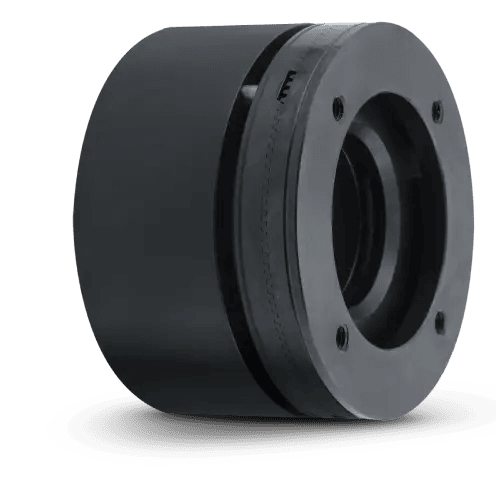
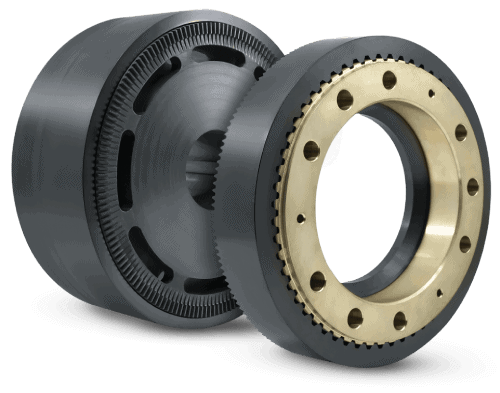
Currently, several SEPAC product families offer torque control, actuation, or safety mechanisms that can apply to conceptual microreactor systems. Our product lines include the following:
Custom solutions are offered for microreactors and other systems with unique requirements.
Start the Conversation With SEPAC
Microreactors represent a remarkable opportunity for powering next-generation AI data centers and advanced industrial systems. As this technology advances, the need for precise, reliable, and safety-ready mechanical components will only increase. SEPAC’s experience in high-performance brakes, clutches, and custom engineering positions the company to support these emerging applications from the earliest stages of development.
If your organization is exploring microreactor technology, next-generation energy systems, or high-demand data center infrastructure, SEPAC’s engineering team is ready to collaborate. Contact us today or request a quote to get started.