Space Industry: How SEPAC Serves Astronautic Missions
Get a Quote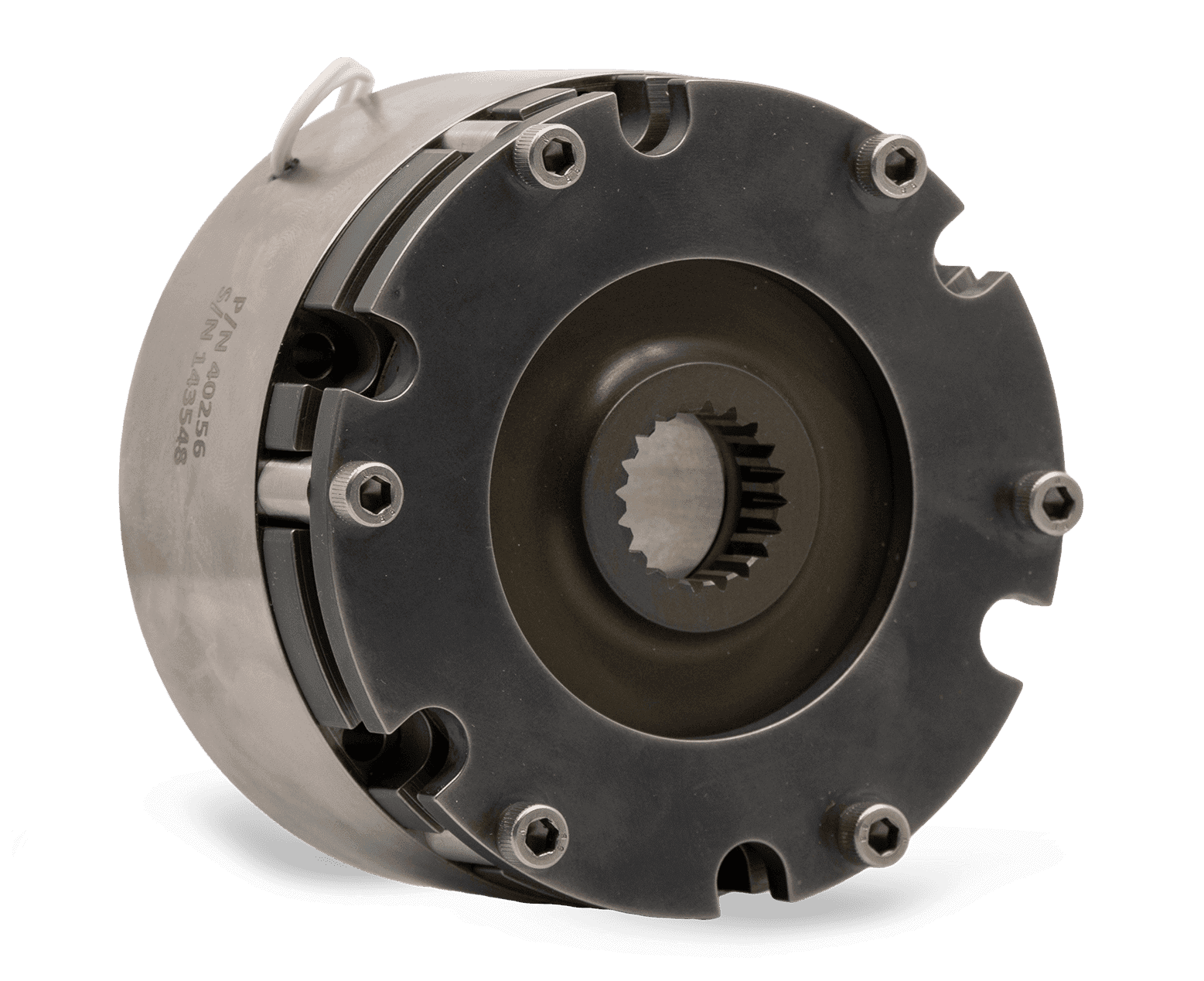
Announcing the SEB-Max™
Built for aerospace and defense, The SEB-Max™ is designed for reliability in the toughest environments — enabling simplified selection and faster delivery for mission-critical applications.
Space operations have no room for failure. SEPAC specializes in building custom electromagnetic clutches and brakes for the space industry. Common applications include the control of satellite positioning, thrust vector control actuation, robotic manipulator positioning, docking and umbilical actuation, and other space-bound systems. We build every component with safety mechanisms and exact adherence to customer specifications for successful operation. Our engineering team creates functional designs that can meet complex performance requirements.
Our ISO 9001:2015 and AS9100D certifications demonstrate our dedication to reliability and quality. See below to learn more about how our products are used in common space applications.
Custom Products
Space is an extreme environment that requires specialized, reliable components. Performance requirements and regulations for space applications are continually developing alongside the innovations in this industry. Many applications also demand custom products to meet demanding requirements. That’s why SEPAC develops motion control system components designed to function through long-term exposure to:
- Extreme heat and cold
- High levels of shock and vibration
- Vacuum conditions
Addressing our space industry customers’ dynamic and evolving needs, SEPAC offers extensive design, development, and testing services to create custom electromagnetic brakes and clutches according to various challenging parameters. Examples of customizations we provide include:
- Sensors
- Manual release mechanisms
- Pulleys and gears
- Mounting configurations
- Torque capacity
- Friction materials for dynamic stopping or holding
- Friction material suitable for vacuum environments
- High-temperature windings
- Enclosures
- Small envelope sizes
- Components optimized for weight and durability requirements
- Coatings for environmental considerations
- Advanced bore/spline sizes and design
SEPAC’s Space Pedigree
SEPAC’s Work on the DEEDS Project
SEPAC is a proud partner of Motiv Space Systems, a contractor of NASA’s Distributed Extreme Environments Drive System (DEEDS) project. The DEEDS project aims to produce a scalable, modular actuation system that will enable long-term operations on Mars and the Moon. The project addresses NASA’s “Survive and Operate Through the Lunar Night” goals, as systems in space must endure temperatures as low as -180 °C.
Current systems are kept warm by an external power source, but DEEDS aims to eliminate external heaters and thereby reduce the required power burden on actuation systems. Applications for DEEDS technology range from ISRU systems to payload off-loading to robotics and more.
As a leading manufacturer of motion control products, SEPAC is developing cryogenic braking systems that can withstand extreme cold and heat in space without external support. With our vast experience and knowledge, we have the capacity to create custom products for DEEDS and other critical space projects.
Speak With An Engineer About Your Space Application Today!
Contact our team to discuss your specific challenges and tell us what you need from your custom braking systems.
SPACE APPLICATIONS

Thrust Vector Control Actuation
SEPAC brakes hold the thrust vector controller in place to ensure proper motion control. Critical applications such as a TVCA require precision as the actuator positions the nozzle to the correct angle for reliable control of the flight path. Once into position, the brake is engaged and holds the actuator steady, even under the most extreme vibration conditions.
Docking System Actuation
SEPAC power-off brakes are used in NASA’s docking system to hold motors on components like latches, separation, and umbilical actuators. As a global standard for ISS interfacing, this system will also support many future space vehicles.
Latch, Separation, and Umbilical Systems
We serve space organizations around the globe with precision-built motion control solutions. These solutions help docking systems and reduce the risk of failure or malfunction. NASA’s docking systems use our brakes in motors and actuators for latch, separation, and umbilical systems.
Thrust Vector Control Actuation
SEPAC brakes hold the thrust vector controller in place to ensure proper motion control. Critical applications such as a TVCA require precision as the actuator positions the nozzle to the correct angle for reliable control of the flight path. Once into position, the brake is engaged and holds the actuator steady, even under the most extreme vibration conditions.
Robotic Manipulation
SEPAC’s Electromagnetic brakes can be designed to hold positioning of robotic arms, solar panel arrays, inspection equipment.
Space Solar Applications
SEPAC brakes help hold satellite-based solar panels in place to acquire the most energy from the sun. Actuators on these satellites allow the solar panels to face the sun no matter the relative position. Once the panels are in the most efficient position for solar energy absorption, the brakes engage and hold position.
Robotic Manipulation
SEPAC’s Electromagnetic brakes can be designed to hold positioning of robotic arms, solar panel arrays, inspection equipment.
Space Solar Applications
SEPAC brakes help hold satellite-based solar panels in place to acquire the most energy from the sun. Actuators on these satellites allow the solar panels to face the sun no matter the relative position. Once the panels are in the most efficient position for solar energy absorption, the brakes engage and hold position.
Safety/Parking Brake
SEPAC designs brakes that are capable of withstanding space environments. These brakes can be used to hold the position of exploration vehicles in place on even the most extreme terrains.
Thrust Vector Control Actuation
SEPAC brakes hold the thrust vector controller in place to ensure proper motion control. Critical applications such as a TVCA require precision as the actuator positions the nozzle to the correct angle for reliable control of the flight path. Once into position, the brake is engaged and holds the actuator steady, even under the most extreme vibration conditions.
Docking System Actuation
SEPAC power-off brakes are used in NASA’s docking system to hold motors on components like latches, separation, and umbilical actuators. As a global standard for ISS interfacing, this system will also support many future space vehicles.
Latch, Separation, and Umbilical Systems
We serve space organizations around the globe with precision-built motion control solutions. These solutions help docking systems and reduce the risk of failure or malfunction. NASA’s docking systems use our brakes in motors and actuators for latch, separation, and umbilical systems.
Select an Sepac application to start
Commercial Space Vehicle
Thrust Vector Control Actuation
SEPAC brakes hold the thrust vector controller in place to ensure proper motion control. Critical applications such as a TVCA require precision as the actuator positions the nozzle to the correct angle for reliable control of the flight path. Once into position, the brake is engaged and holds the actuator steady, even under the most extreme vibration conditions.
Docking System Actuation
SEPAC power-off brakes are used in NASA’s docking system to hold motors on components like latches, separation, and umbilical actuators. As a global standard for ISS interfacing, this system will also support many future space vehicles.
Latch, Separation, and Umbilical Systems
We serve space organizations around the globe with precision-built motion control solutions. These solutions help docking systems and reduce the risk of failure or malfunction. NASA’s docking systems use our brakes in motors and actuators for latch, separation, and umbilical systems.
Satellite
Thrust Vector Control Actuation
SEPAC brakes hold the thrust vector controller in place to ensure proper motion control. Critical applications such as a TVCA require precision as the actuator positions the nozzle to the correct angle for reliable control of the flight path. Once into position, the brake is engaged and holds the actuator steady, even under the most extreme vibration conditions.
Robotic Manipulation
SEPAC’s Electromagnetic brakes can be designed to hold positioning of robotic arms, solar panel arrays, inspection equipment.
Space Solar Applications
SEPAC brakes help hold satellite-based solar panels in place to acquire the most energy from the sun. Actuators on these satellites allow the solar panels to face the sun no matter the relative position. Once the panels are in the most efficient position for solar energy absorption, the brakes engage and hold position.
Exploration Vehicle
Robotic Manipulation
SEPAC’s Electromagnetic brakes can be designed to hold positioning of robotic arms, solar panel arrays, inspection equipment.
Space Solar Applications
SEPAC brakes help hold satellite-based solar panels in place to acquire the most energy from the sun. Actuators on these satellites allow the solar panels to face the sun no matter the relative position. Once the panels are in the most efficient position for solar energy absorption, the brakes engage and hold position.
Safety/Parking Brake
SEPAC designs brakes that are capable of withstanding space environments. These brakes can be used to hold the position of exploration vehicles in place on even the most extreme terrains.
Astronaut Transfer Vehicle
Thrust Vector Control Actuation
SEPAC brakes hold the thrust vector controller in place to ensure proper motion control. Critical applications such as a TVCA require precision as the actuator positions the nozzle to the correct angle for reliable control of the flight path. Once into position, the brake is engaged and holds the actuator steady, even under the most extreme vibration conditions.
Docking System Actuation
SEPAC power-off brakes are used in NASA’s docking system to hold motors on components like latches, separation, and umbilical actuators. As a global standard for ISS interfacing, this system will also support many future space vehicles.
Latch, Separation, and Umbilical Systems
We serve space organizations around the globe with precision-built motion control solutions. These solutions help docking systems and reduce the risk of failure or malfunction. NASA’s docking systems use our brakes in motors and actuators for latch, separation, and umbilical systems.